
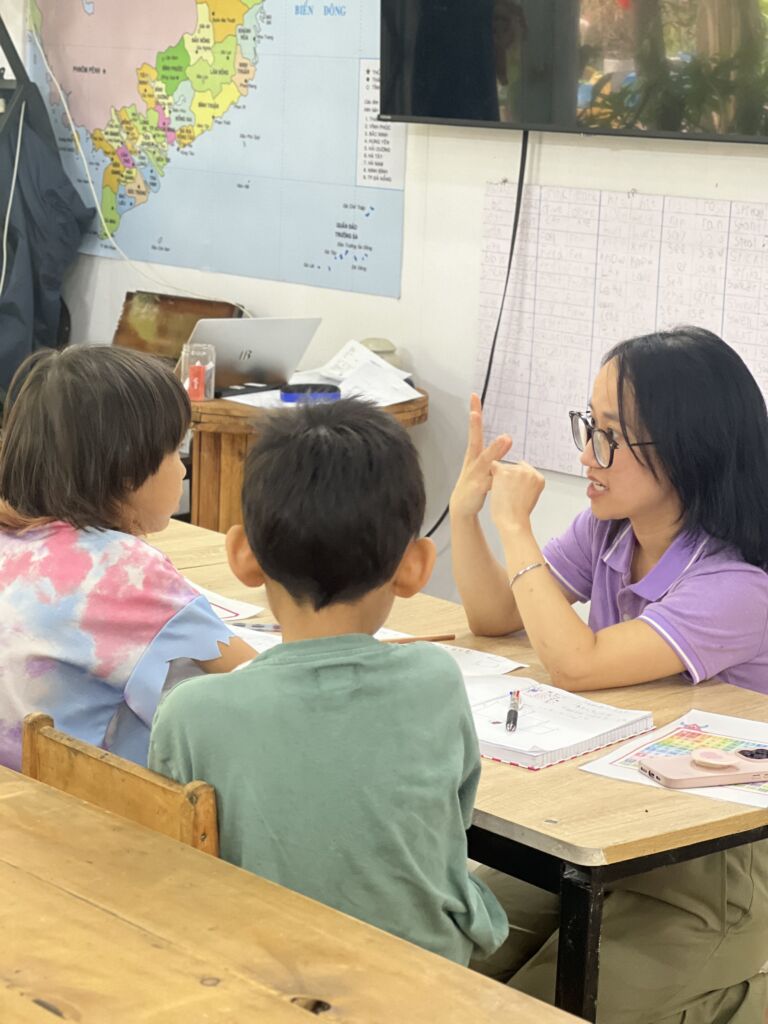
Grade A (1-2)
About Cambridge Primary Grade A (1-2)
What Kids Experience
- Math
- English
- Science
- Art and Design
- Humanities
- Project-based Learning
- Global Perspectives
- Wellbeing
- Music
- Physical Education
- Survival Skills
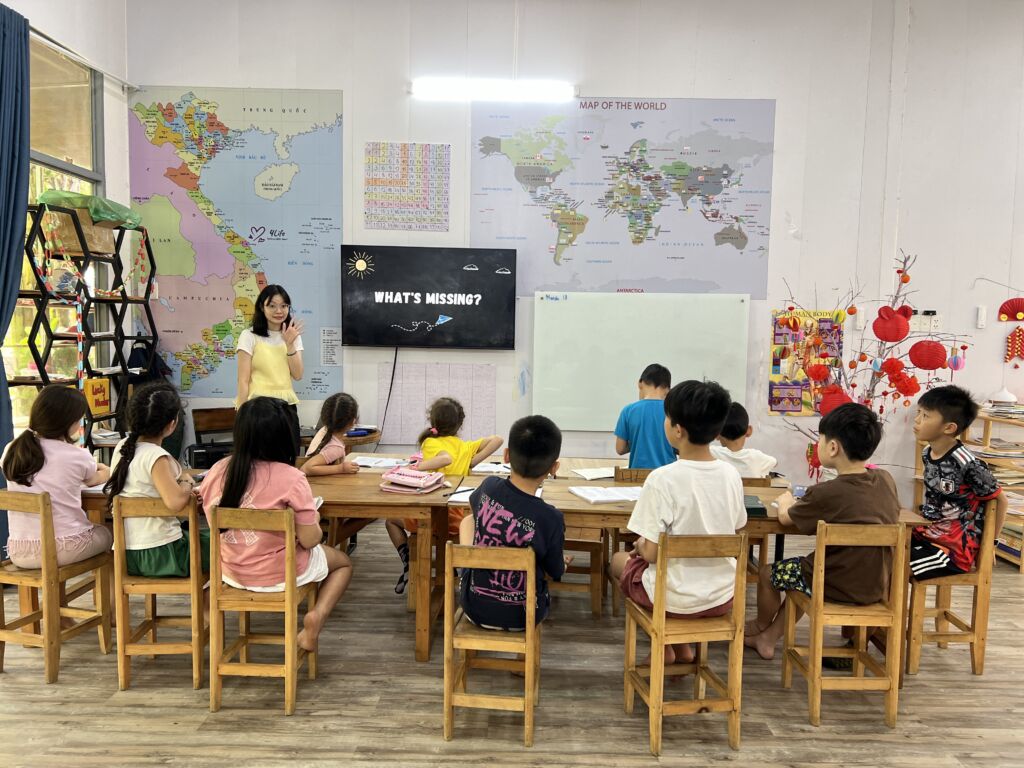
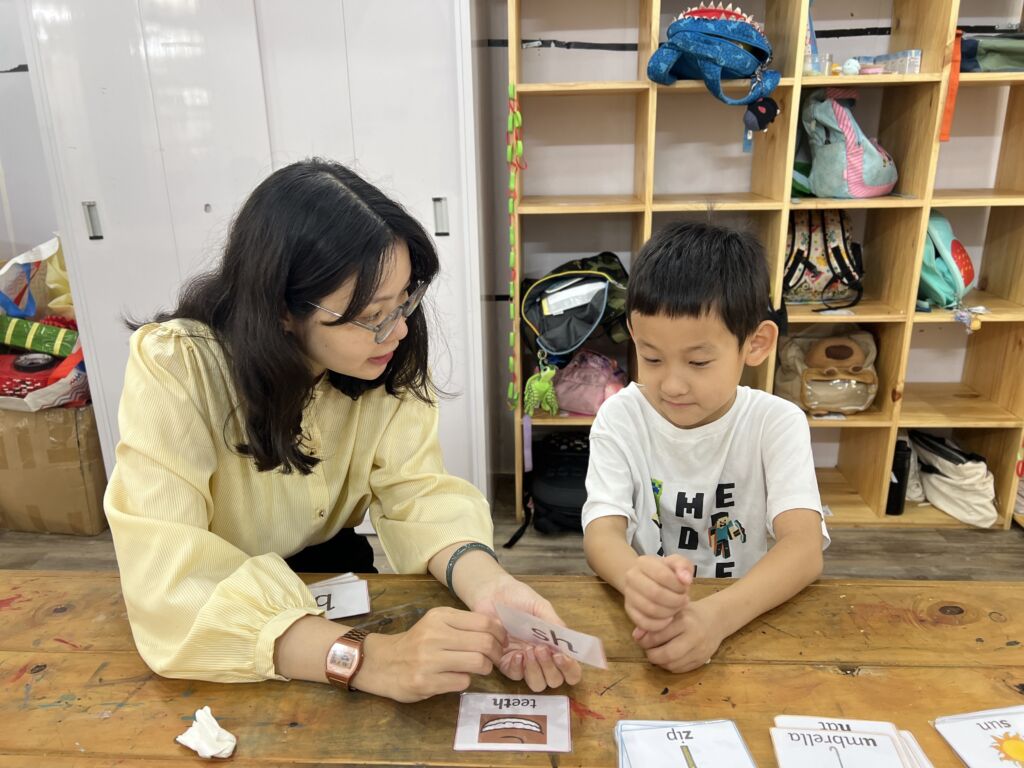
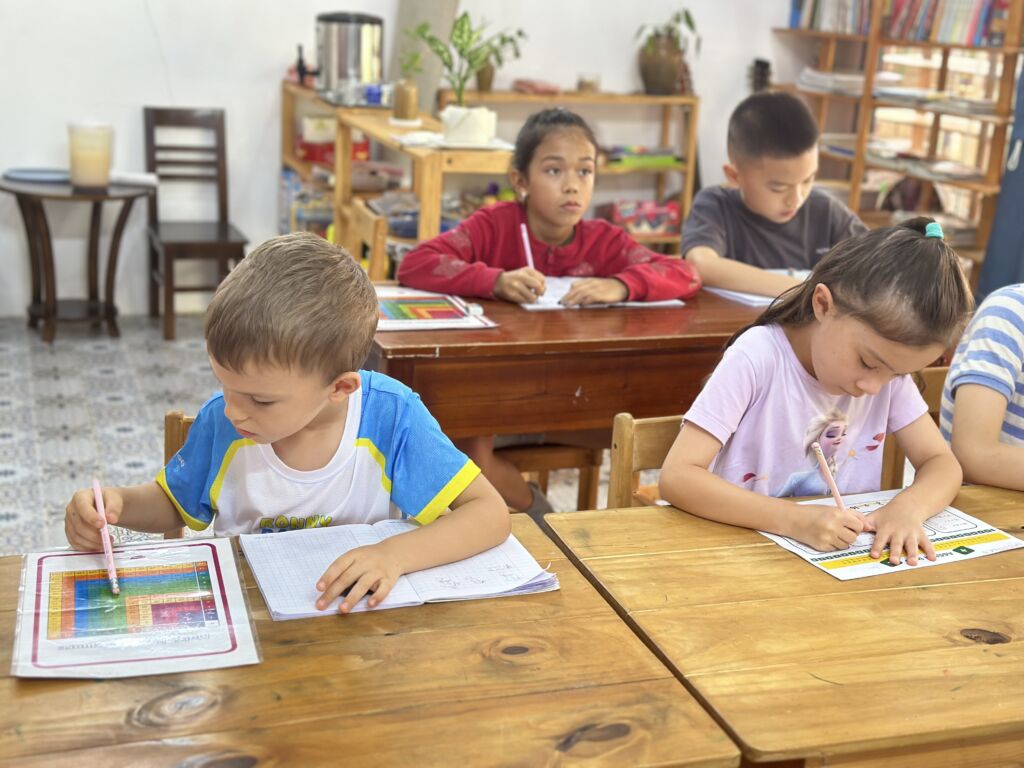
Let’s Connect!
Have questions or want to know more? We’re here to help!
- hello@4life.edu.vn
- (+84) 0236.777 8 999
- Mon - Fri, 9AM - 6PM
What is taught in the programme
Maths:
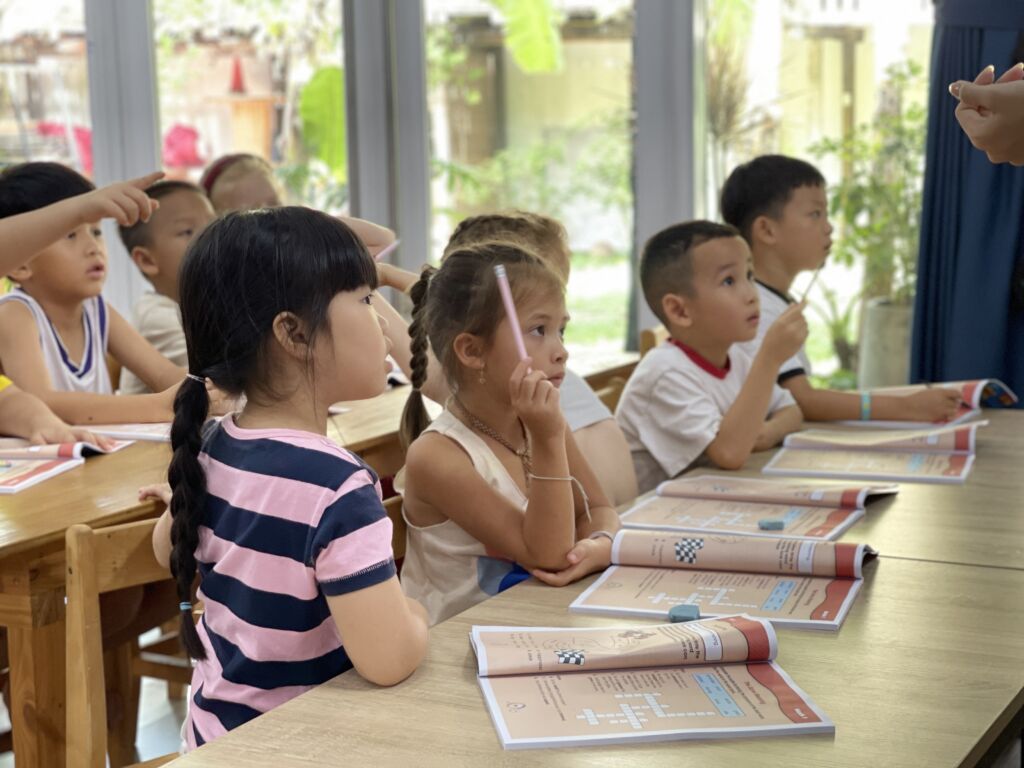
Children explore numbers, shapes, patterns, and basic counting through hands-on activities and play, developing early mathematical thinking and problem-solving skills.
English:
A rich language environment helps children develop listening, speaking, and early communication skills. Stories, songs, and interactive play build vocabulary and a love for language.
Science:
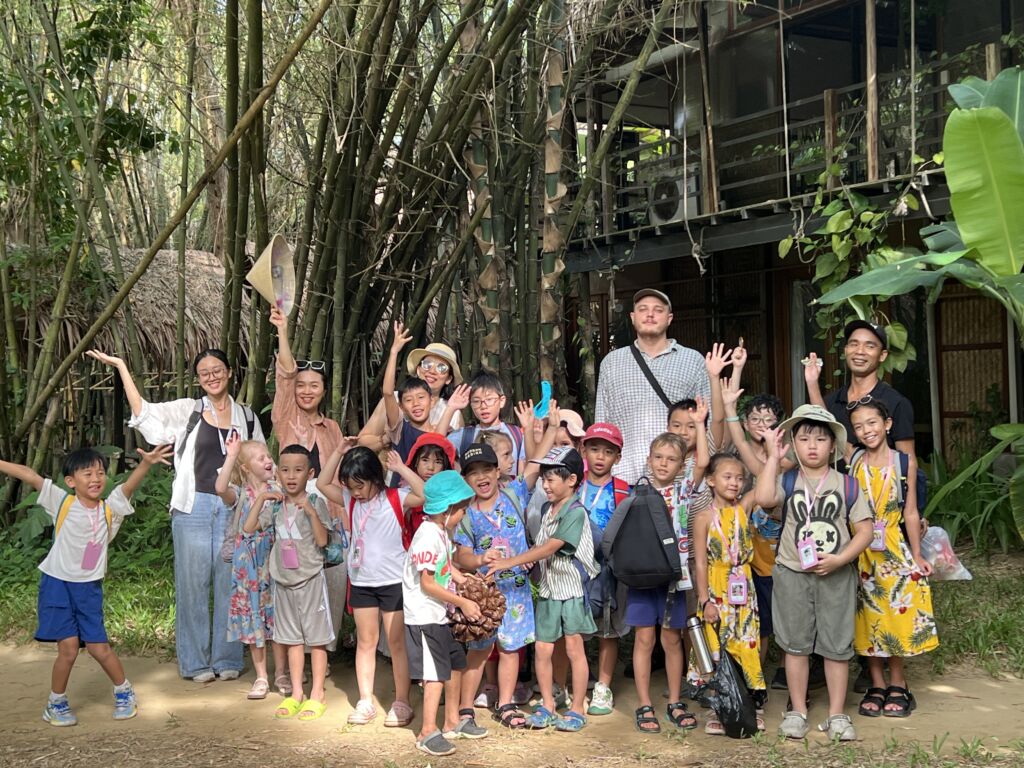
Curious minds are encouraged through simple experiments and sensory exploration. Children learn about the world around them, discovering plants, animals, weather, and everyday materials.
Art and Design:
Creative expression is nurtured through painting, drawing, collage, and messy play. Children develop fine motor skills while exploring colours, textures, and their own imagination.
Humanities:
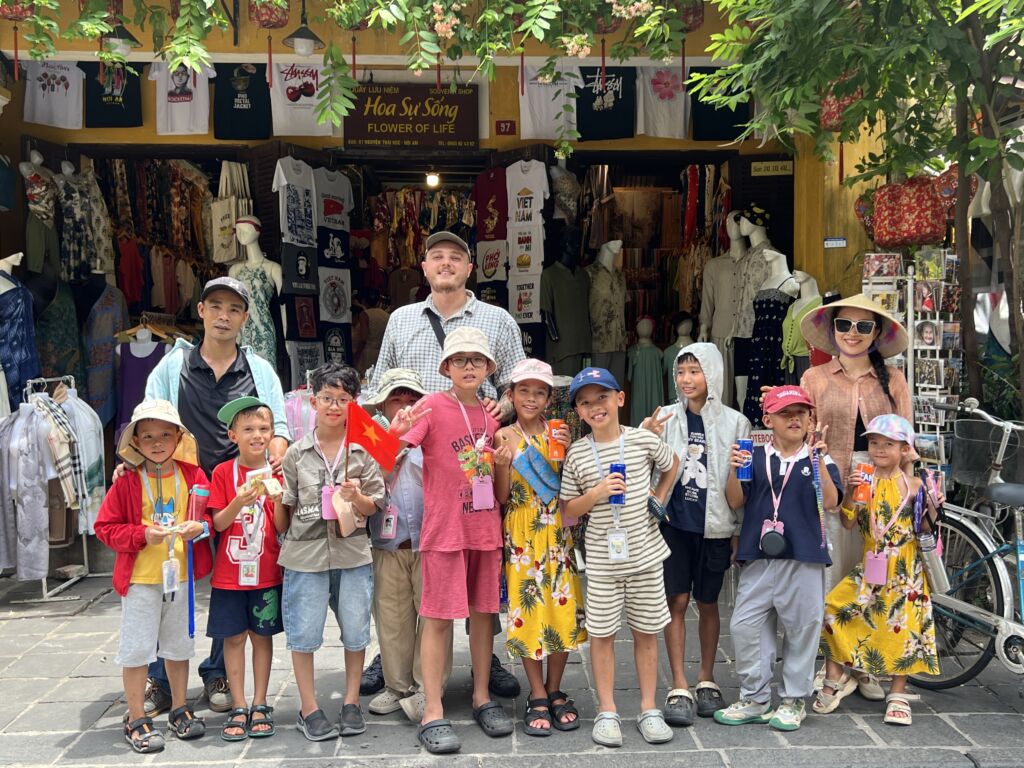
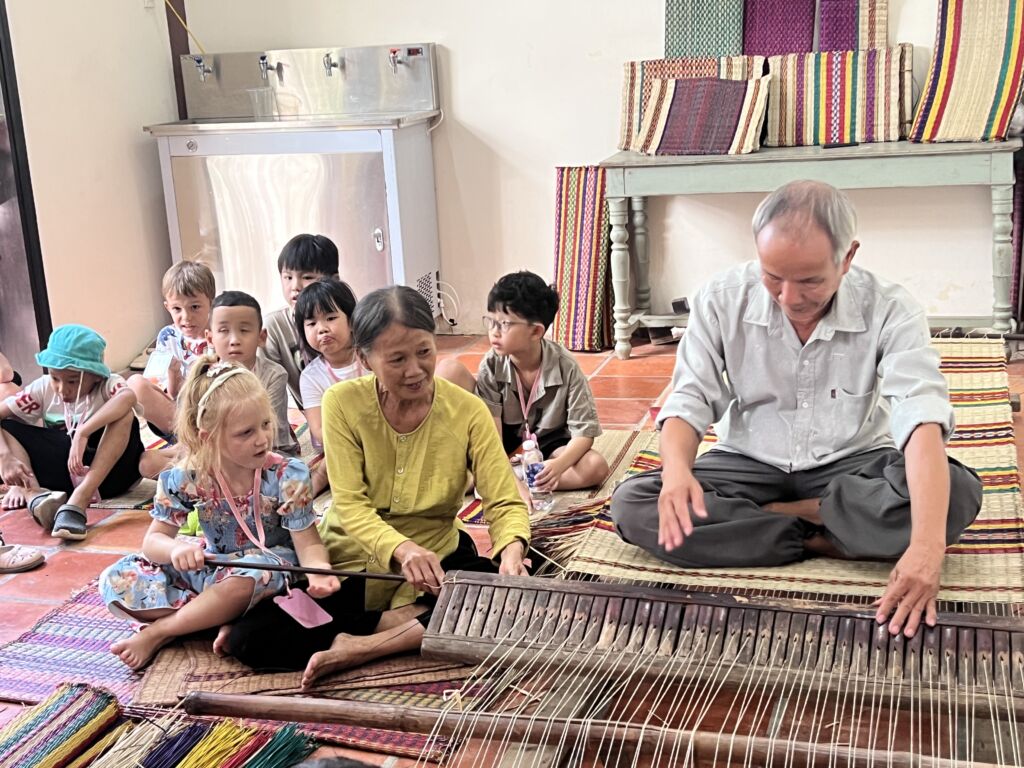
Young learners are introduced to people, places, and communities around them. Simple activities help them understand family, culture, and the wider world.
Global Perspectives:
Children begin to develop awareness of diversity and respect for others through stories, celebrations, and age-appropriate discussions about our shared world.
Wellbeing:
We focus on emotional development, self-confidence, and social skills. Children learn to identify feelings, share, take turns, and build positive relationships.
Music:
Singing, rhythm, movement, and simple instruments introduce children to the joy of music, supporting coordination, listening skills, and self-expression.
Physical Education:
Daily movement activities and games develop gross motor skills, balance, coordination, and healthy habits in a fun and active way.
Survival Skills:
Age-appropriate practical activities build independence and confidence, such as simple self-care routines, following instructions, and basic safety awareness.
Project-Based Learning:
Themed projects allow children to explore topics in depth through play, creativity, and hands-on experiences, encouraging curiosity and making learning meaningful and connected.